

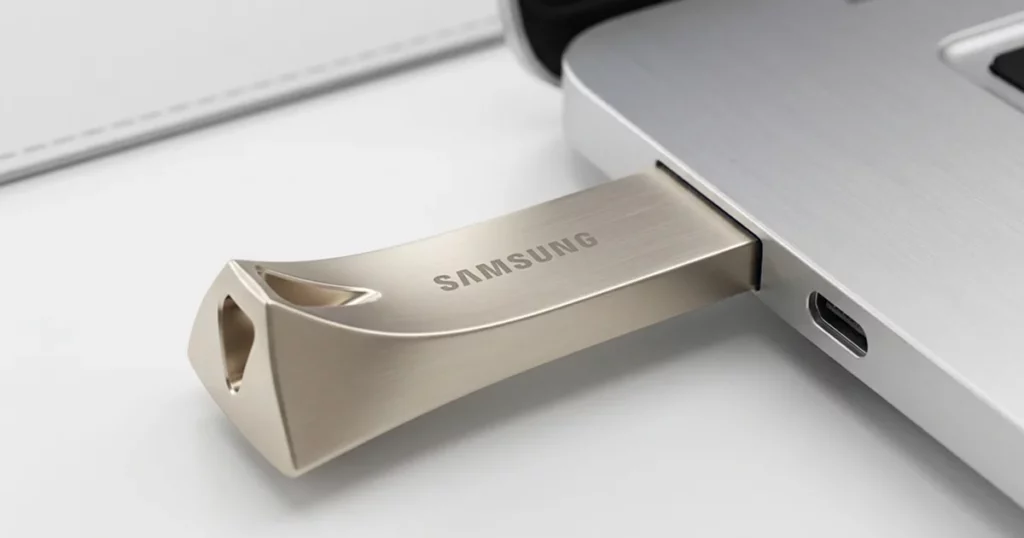
A researcher contacted us after a Samsung BAR Plus USB flash drive suddenly stopped being recognized on any device.
The drive was used for storing and transferring active research files, so the impact was immediate and high-pressure.
We initiated a controlled evaluation to confirm the failure type and determine whether a standard logical recovery was possible, or if chip-level work was required.
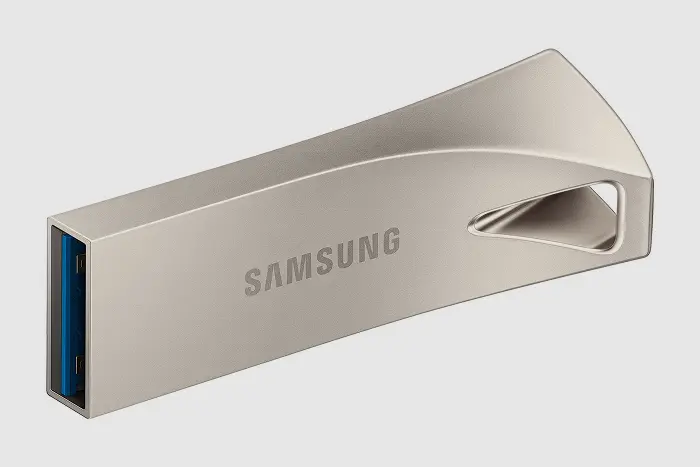
Device Profile: Samsung BAR Plus USB at a Glance
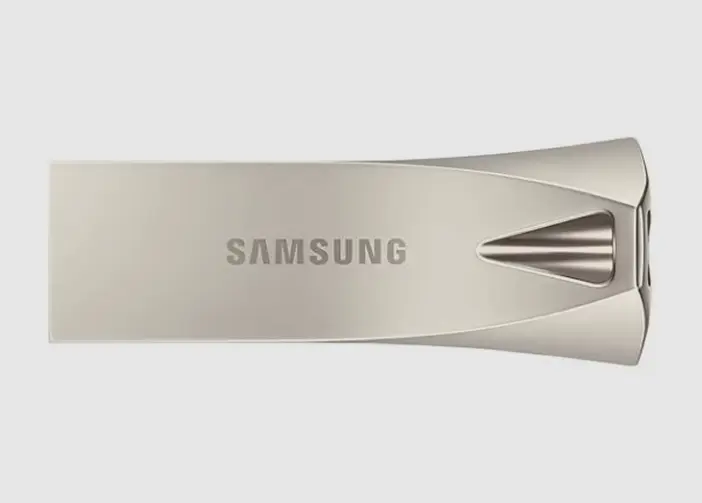
The Samsung BAR Plus is a compact USB flash drive built for portability and speed. In real-world use, that usually means frequent plug and unplug cycles, transport between systems, and exposure to sudden disconnects.
When a BAR Plus fails and becomes completely undetected, the failure is often not “software.” It is typically a hardware-level issue inside the device, where normal access through USB is no longer possible.
For device-specific support and recovery scope, explore Samsung flash drive recovery.

DIY Recovery
Risks permanent data loss
Let the Specialists Handle It
DIY attempts often result in permanent data loss. Our certified recovery specialists use advanced tools in controlled environments for the highest success rate.

24/7 Emergency Service
Problem: Drive Not Detected During Critical Use
The failure occurred at the worst possible time. The flash drive suddenly stopped working and was not recognized by any computer or device, which meant the data could not be accessed, copied, or verified.
In this scenario, standard troubleshooting typically does not help because the device is not enumerating properly over USB. The primary risk is wasting time on repeated attempts that do not change the underlying condition.
If you are facing similar symptoms, read more about what “not detected” usually indicates in flash drive not showing up.
Diagnostic Highlights: Chip Damage Confirmed
Our initial evaluation focused on one question: is the controller able to communicate with the memory, or is the failure at the chip level. The findings indicated chip damage, which explains why the device was not detected across multiple systems.
| Signal | What We Saw | What It Meant |
|---|---|---|
| Not recognized on any device | No stable detection or access | Not a file system issue, hardware-level failure likely |
| Internal condition | Memory chip damage identified | USB-level recovery not viable |
| Recovery path | Chip-level extraction required | Chip-off process needed to retrieve data |
Your Data Security Is Our Priority
Data privacy isn’t optional. It’s our commitment. Our secure recovery process ensures your sensitive information stays protected from start to finish.
HIPAA Compliant
GDPR Compliant
Secure Facility
NDA Available
Trust in certified security. Start your recovery today! Call Now: 888.611.0737
Recovery Process: Chip-Off Data Extraction
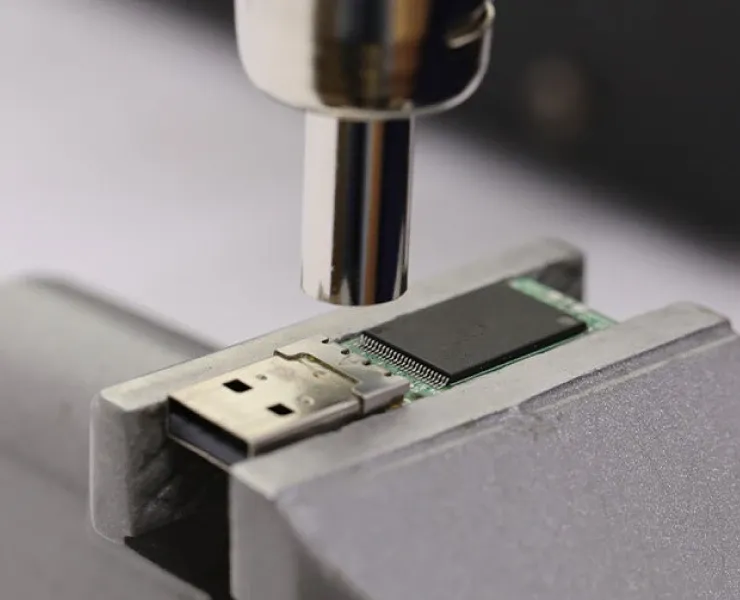
Chip-off recovery is the route when the USB interface cannot communicate with the storage memory. The objective is to extract raw NAND data and reconstruct the original files.
Step 1: Controlled disassembly
We opened the device carefully to avoid additional board stress and to preserve chip integrity.
Step 2: Chip removal
Our engineers removed the NAND chip using controlled heat and handling techniques to prevent pad damage and micro-cracking.
Step 3: NAND reading
We read the chip with specialized readers designed for flash memory extraction, capturing the raw data in a stable environment.
Step 4: Data reconstruction
We rebuilt the logical structure by reconstructing how the controller originally organized data on the chip, then extracted the files in a usable format.
Step 5: Secure transfer
Recovered data was transferred to a new secure storage device for delivery.
For a plain-language breakdown of when chip-off is required, see can flash drive data be recovered.
Risk Warning: Why DIY Steps Usually Fail on NAND Damage
If a flash drive is not recognized on any computer, repeated plug-ins, driver resets, and recovery tools usually do not help when the failure is chip-level. They do not restore communication with the memory, and they can introduce extra electrical stress or physical wear.
The most practical move is to stop attempts early and switch to a lab workflow built for chip extraction and reconstruction.
For a related example of chip-off methodology in practice, see SanDisk CF card chip-off recovery.
When the device is undetected across multiple systems, treat it as a hardware failure until proven otherwise. Continuing DIY attempts can reduce recoverability.
Don't Let Data Loss Ruin Your Business
Minimize business disruption. We retrieve lost data fast, so you can focus on what matters.
Result: Research Data Recovered and Transferred
We recovered the client’s research data from the Samsung BAR Plus using chip-off extraction and reconstruction. The recovered dataset was rebuilt into a usable file structure so the client could access and use the data immediately, not sift through raw fragments.
Before delivery, we performed integrity checks to confirm the files were readable and consistent with the reconstructed structure. The final data was then transferred to a new secure storage device provided by our team.
Contact Us for This Type of Flash Drive Recovery
If your Samsung BAR Plus flash drive is not recognized, stop DIY attempts and request a controlled evaluation.
We will confirm whether the failure is controller-level or chip-level, then execute the safest recovery path and deliver validated data to a secure device.
Get a Free Consultation.
Our recovery experts are ready to assess your device and guide you through the safest path to recovery. Fill out the form to get started.
"*" indicates required fields